A day in the life of a wedding photographer is far more than capturing pretty pictures. While the job includes beautiful venues, heartfelt moments, and elegant couples, the real story happens behind the scenes. From early prep to the final shutter click, photographers juggle creativity, timing, and logistics to preserve every magical moment.
Ever wondered what a day in the life of a wedding photographer really looks like? It’s far more than just snapping beautiful shots.
Morning: The Calm Before the Storm
1. Final Preparations
The day often starts early, even before the wedding festivities begin. Photographers double-check their gear to ensure everything is ready to go:
- Camera bodies, lenses, and flashes.
- Fully charged batteries and backups.
- Memory cards, formatted and ready.
- Emergency kit (extra cords, a first-aid kit, snacks, etc.).
Pro Tip: A detailed shot list prepared in advance ensures no critical moments are missed.
2. Arrival at the Venue
The photographer arrives well ahead of time to:
- Scout the venue and identify the best spots for key shots.
- Check lighting conditions, both indoors and outdoors.
- Meet the wedding coordinator and vendors to align on the schedule.
Late Morning: Capturing the Details
3. The “Getting Ready” Photos
The day begins with capturing candid and posed shots of the couple as they prepare for their big moment.
- Bride’s details: dress, shoes, jewelry, bouquet, and makeup process.
- Groom’s details: suit, cufflinks, watch, and candid moments with groomsmen.
These photos set the stage for the day and establish the emotional tone of the album.
Midday: The Ceremony
4. Pre-Ceremony Moments
Photographers often document the quiet moments before the ceremony, such as the bride walking with her parents or the groom adjusting his tie in anticipation.
5. The Ceremony in Action
During the ceremony, photographers must stay nearly invisible while capturing pivotal moments like:
- The procession down the aisle.
- Emotional reactions from the couple and guests.
- The vows, ring exchange, and first kiss.
Pro Tip: Photographers use long lenses to unobtrusively capture intimate moments from a distance.
Afternoon: The Portraits
6. Family and Group Shots
Once the ceremony concludes, the photographer takes charge of organizing family and group portraits. These formal photos require clear communication to gather everyone quickly and efficiently.
7. Couple’s Portrait Session
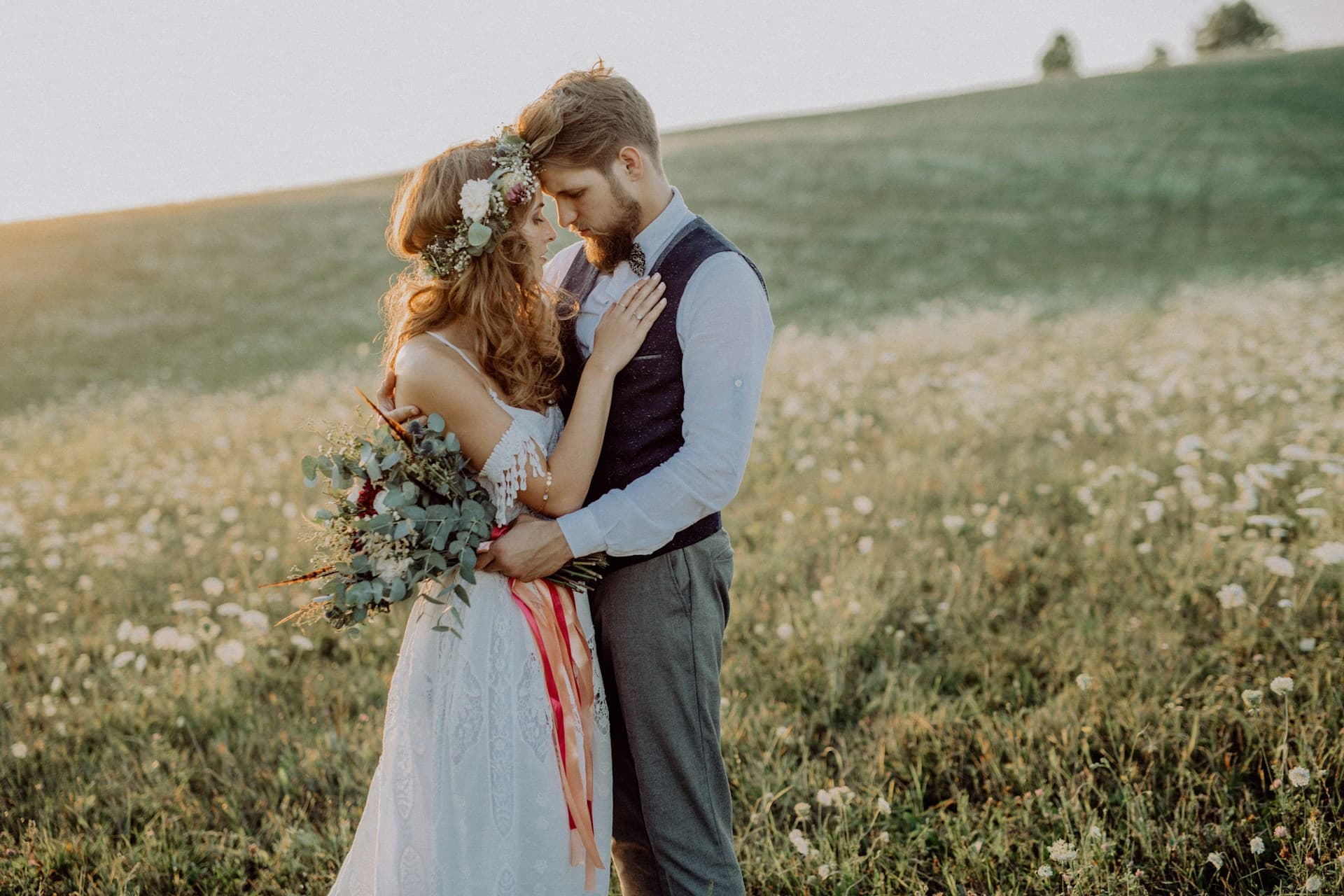
This is the time to get creative. Photographers work closely with the couple to capture romantic, artistic shots that highlight their connection.
- Utilize scenic backdrops and dramatic lighting.
- Incorporate natural elements like golden hour light for ethereal effects.
- Suggest poses that feel natural and authentic to the couple.
For lighting inspiration, check out our full post on golden hour wedding photography.
Evening: The Reception
8. Capturing the Details
Before the festivities begin, the photographer captures reception decor, table settings, the wedding cake, and other details that showcase the couple’s personal touches.
9. Candid Moments and Key Events
During the reception, the focus shifts to candid moments and major highlights like:
- The first dance and parent dances.
- Toasts and speeches.
- Guests enjoying the celebration.
- Cake cutting and bouquet toss.
Photographers remain vigilant, ready to snap spontaneous laughter, tears, and hugs.
Capturing these emotional, fast-paced highlights is one of the most rewarding parts of a day in the life of a wedding photographer.
Night: Wrapping Up
10. The Grand Exit
The grand exit is often the final shot of the day, whether it’s a sparkler send-off, confetti toss, or a vintage car departure. These images provide a perfect ending to the story.
11. Packing Up and Reflecting
After the couple drives off, the photographer carefully packs up equipment and reflects on the day’s work. The job, however, is far from over.
Post-Wedding: The Hidden Hours
The work of a wedding photographer continues long after the wedding day. Post-production involves:
- Sorting through thousands of photos.
- Editing and retouching to enhance colors, lighting, and details.
- Creating albums, galleries, or prints for the couple.
On average, a wedding photographer spends 40–50 hours in post-production alone. Editing and delivering photos is a major part of a day in the life of a wedding photographer, and often goes unseen by clients.
Want a deeper look at editing timelines? This article from Shotkit breaks down how long it really takes.
What Makes Wedding Photography Unique
Wedding photography is a balance of art and logistics. Photographers must adapt to changing conditions, think on their feet, and connect emotionally with their clients. Each wedding is a new challenge, but the reward of preserving one of the most significant days in a couple’s life makes it all worthwhile. It’s this blend of pressure, precision, and passion that defines a day in the life of a wedding photographer—and why it’s such a rewarding profession.
Every day in the life of a wedding photographer brings its own challenges, but it’s the emotional payoff that keeps professionals inspired wedding after wedding.